
Memory Squeeze Hits Devices: Q3 Phone, PC, Tablet Shipments Down
In Q3 2026, global consumer electronics weakened in rare sync: phones, PCs and tablets all posted double-digit year-over-year declines. This is not simply soft demand; the direct trigger is component costs led by memory. As AI data centers take capacity first, memory prices are sharply higher year on year, pushing pressure down to devices, squeezing low-end models and delaying upgrades.
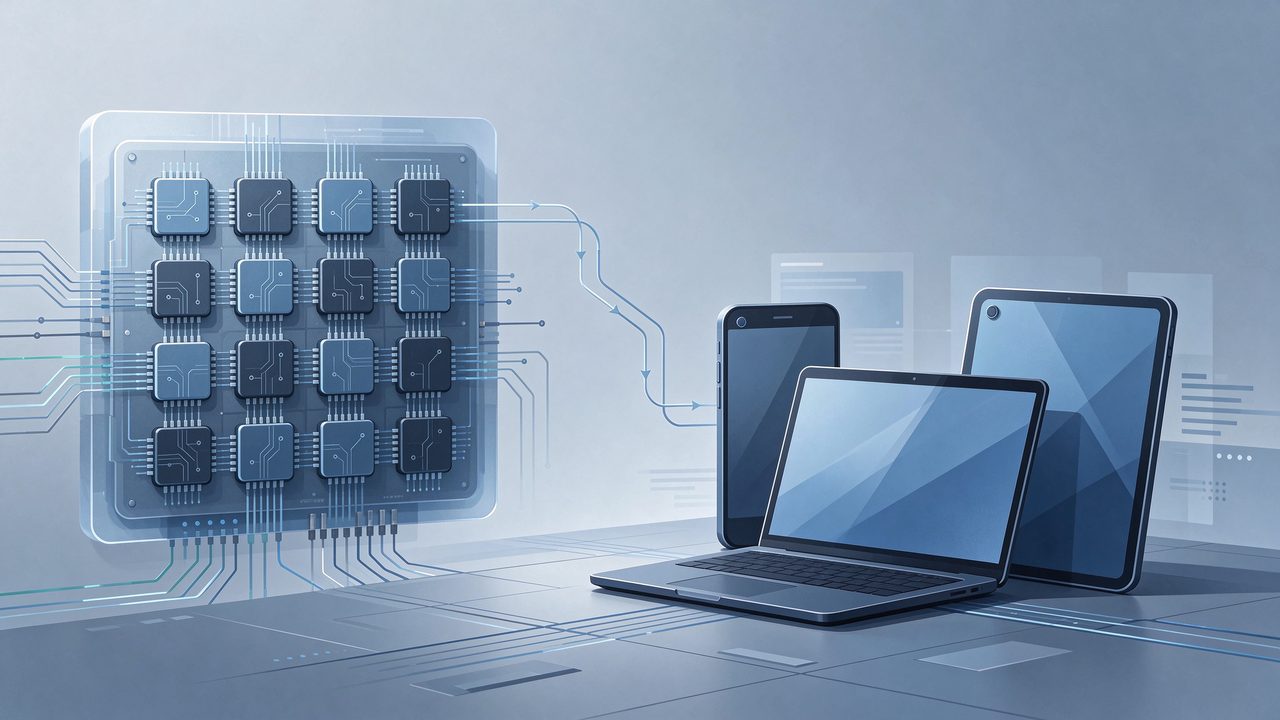
All three devices slipped in Q3
Smartphones fell most. IDC preliminary data put Q3 2026 global shipments at about 255.3 million units, down 22.0% year over year, the largest quarterly decline on record. Counterpoint and Omdia estimated about a 20% drop, the weakest third quarter in 14 years; Africa was the hardest-hit region at roughly -39%.
PCs and tablets fared no better. IDC reported Q3 worldwide PC shipments of about 62.7 million units, down 20.1% year over year and 9.1% sequentially, breaking the usual Q3-over-Q2 seasonal pattern; full-year 2026 PC shipments are expected near 398 million units, down about 11.3%. Omdia reported Q3 tablet shipments of about 32.191 million units, down about 23%, the lowest in nearly three years.
| Device | Q3 shipments (prelim.) | YoY |
|---|---|---|
| Smartphone | ~255.3M (IDC, 2026-10-14 prelim.) | -22.0% |
| PC | ~62.7M (IDC, 2026-10-08) | -20.1% |
| Tablet | ~32.191M (Omdia, 2026-11-05) | -23% |
Figures are public agency preliminaries; methods and samples differ, and the smartphone decline is near 20% in other counts. Quarterly figures are subject to final revision.
Cost transmission: from memory to device shipments
The downturn starts upstream. AI servers and data centers pull hard on HBM and server-grade memory, so makers steer advanced capacity toward those products and leave generic consumer supply squeezed. IDC estimates memory costs are up roughly 350% from a year ago and remain high; in a low-end bill of materials, memory now exceeds 65% of component cost, eroding entry-level margins.
Cost pressure travels down the chain: makers either raise prices or cut low-end models and trim spec tiers. Higher prices, longer replacement cycles, and early channel stockpiling ahead of hikes pulled demand forward and left little to draw on later. IDC's PC note likewise says vendors and channels loaded inventory early; in Q3 the channel worked through that stock, so the usual seasonal lift did not appear.
Split landscape: premium holds, mass market bleeds
The downturn is uneven across price tiers. IDC share data show Samsung shipped about 57.8 million units for a 22.6% share in Q3, down about 5.8% year over year; Apple shipped about 57.3 million for a 22.4% share, down about 4.0%, and the two together hold about 45% of the market. Xiaomi, OPPO and vivo fell about 29.2%, 34.5% and 31.5%, with more loss in mass-price tiers and overseas markets. Omdia expects global smartphone shipments down about 12% in 2026 and another about 6% in 2027, so the market has not clearly bottomed.
This matches cost structure: premium devices absorb hikes through pricing and spec choices; low-margin volume products see inflation eat directly into profit, forcing price rises that weaken value or spec cuts that hurt experience, and channels keep tighter turns.
Implications for procurement and design
Device and solution design side
- Model memory separately from other components; don't apply one blanket "component up" factor
- Keep room to adjust specs and capacity tiers; avoid locking a single config at peak cost
- Assess low-end margin headroom; balance trade-offs rather than stacking specs
Procurement and channel side
- Separate contract from spot prices; don't read a single week's quote as the long-term trend
- Check critical-part lead times early; confirm capacity and price on long-cycle projects
- Stock against real demand and turns, not last year's seasonal ramp assumptions
Overall, Q3 weakness combines cost pressure with a pull-in hangover rather than a pure demand collapse. Premium products hold up short term; mass-price tiers bear more pressure. Tracking when memory contract prices stop rising, how fast inventory digests, and whether 2027 replacement demand recovers matters more than any single quarterly figure.
Comments
No comments yet. Be the first to comment.