
Passive Components Split by AI: High-Cap MLCC Tight Into H1 2027
Within passive components, high-capacitance MLCCs and polymer tantalum capacitors around AI servers are still competing for capacity, while consumer mid- and low-cap MLCC spot prices eased about 5% in early October before stabilizing. Recent observations from TrendForce and others suggest this round is not a broad price rise across the board; passive parts are being re-tiered by compute density and reliability requirements, and procurement should plan by part category.
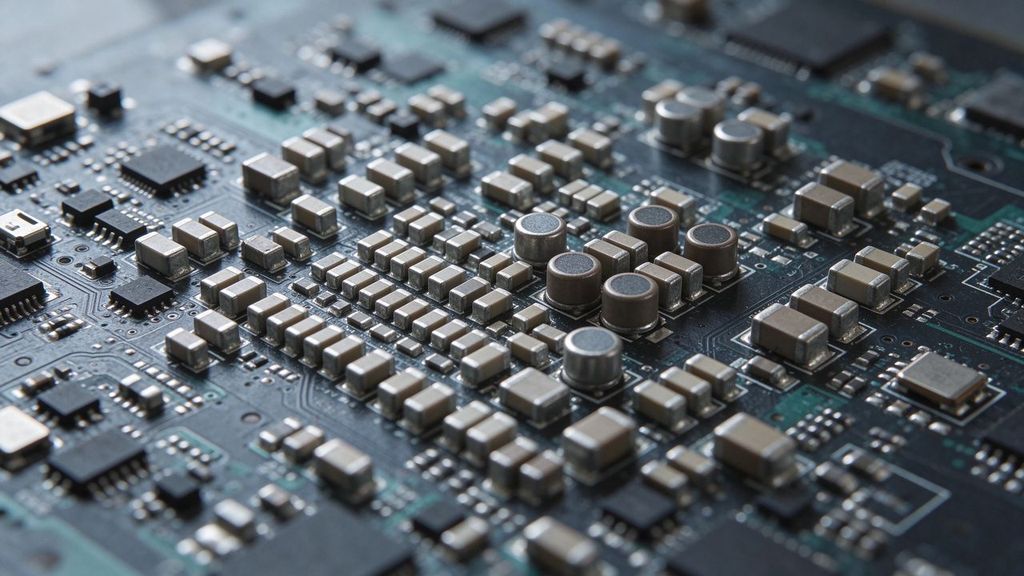
High-cap MLCC: shortage runs into H1 2027
A TrendForce study on October 29 notes that as AI moves from training toward inference and agents, CPU demand rises; every CPU pairs with a power module and DDR5 memory, multiplying high-cap MLCC usage around mainboards and memory modules. As new AI platforms ramp month by month from Q4 2026, ODMs expect Q1-Q2 2027 to be the tightest point for high-end MLCC, with the shortage lasting into the first half of 2027.
A TrendForce bulletin on November 13 adds that shortages have spread from server mainboards to networking and optical communication applications; most new capacity comes only after 2028, and makers lock volume under long-term agreements, making high-end parts harder to secure. On lead times, channel and broker reports show some high-cap MLCC lead times stretching to around a year.
| Dimension | High-end / AI grade | Consumer mid/low cap |
|---|---|---|
| Demand | Server CPUs, DDR5, power modules, networking/optical | Phones, notebooks; orders soft |
| Price | Rising continues; pricing power with makers | Spot -5% in early Oct., then stabilized |
| Capacity | Long-term locked; new capacity post-2028 | Consumer supply easing |
| Tightness peak | Most visible in H1 2027 | No basis for sustained rises |
Tantalum capacitors: raw material and AI usage both push higher
Beyond MLCC, polymer tantalum capacitors are another pinch point in AI server power management. Channel price notices show KEMET (YAGEO) raised some polymer tantalum lines by 20%-30% from November 1 (its second hike this year); Panasonic polymer tantalum followed at 15%-30%, with manganese-dioxide parts up 10%-20%. Some parts have 70%-80% of 2027 capacity locked, with lead times up to 84 weeks. These are channel-quote figures; final terms follow official maker quotations.
On cost, Shanghai Steel Union data shows domestic tantalum ingot spot price rose from about RMB 2,600/kg at end-2025 to about RMB 6,920/kg by June 2026, up about 158% in half a year; tantalum metal makes up roughly 40% of tantalum capacitor cost. On supply, the DRC produces over half of global tantalum ore, and a major mine collapse and shutdown earlier this year tightened raw material further. On usage, broker research and press reports put traditional general-purpose server tantalum usage at about 30-50 parts, while AI server models reach thousands of units, with demand shifting toward high-reliability, high-capacitance polymer tantalum.
How to plan procurement by line
Hardware design
- Review high-cap MLCC and tantalum as critical parts; check capacitance, voltage rating, package and alternate-part certification
- Leave derating and alternate part room in new designs; avoid relying on one part from one maker
Procurement and channel
- Lock long-term agreements and lead times early for tight high-end parts; restock consumer parts to real demand, not peak-season stocking habits
- Separate contract and spot prices; cross-check channel quotes against maker notices and watch raw-material pass-through
The essence of this passive-component split is a reallocation of capacity and raw materials toward high-reliability AI and automotive demand. High-end tightness is unlikely to ease soon, while consumer parts lack a basis for sustained rises. Watch the Q1 2027 price talks, high-end capacity additions and AI capex pace; managing procurement by category line is safer than a blanket passive-components-are-rising assumption.
Comments
No comments yet. Be the first to comment.