
Education Hardware: Visual Learning Cameras vs OID Reading Pens
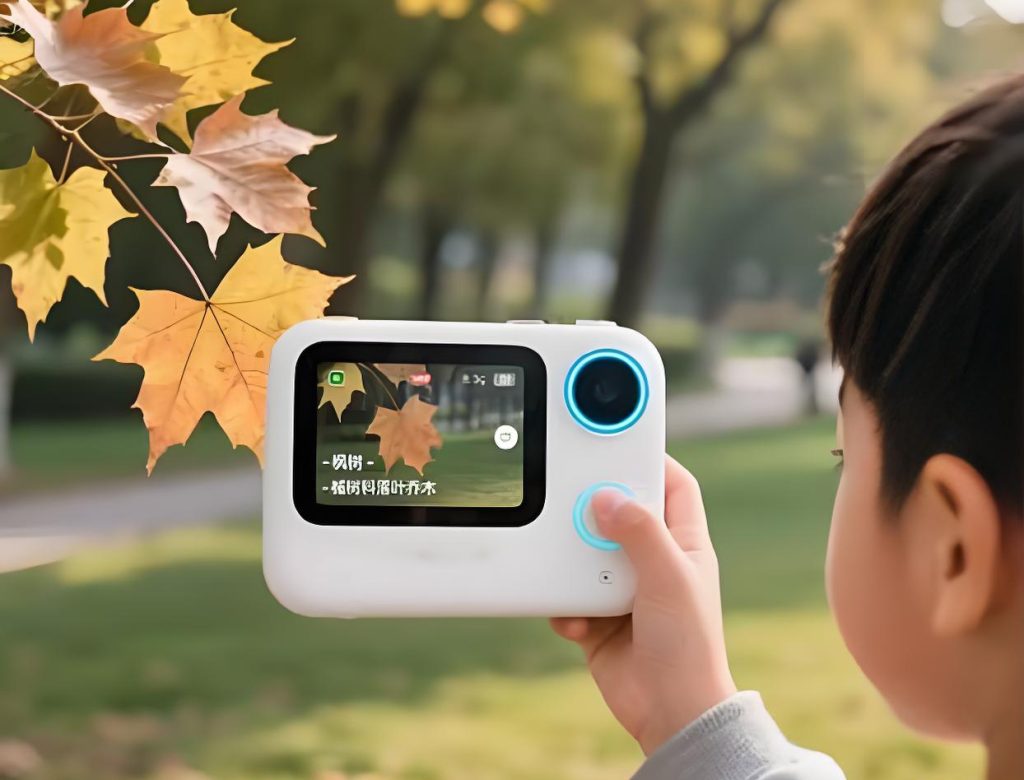
Education hardware has returned to brand product roadmaps over the past two years, but turning a reference board into a market-ready device means working through recognition method, content organization, connectivity and firmware delivery. For devices aimed at children's reading, language learning and family exploration, the technical routes broadly split in two. One relies on a camera plus image recognition and OCR, turning captured scenes or text into lookup and explanation. The other uses an optical code sensor in the pen tip to trigger local audio or networked content against printed course materials. The two routes differ in hardware structure, where the cost sits and the delivery scope, so product positioning and usage boundaries should be spelled out before solution engagement.
What each recognition route solves
The visual learning route centers on a camera, paired with image recognition, OCR word lookup and bilingual content, integrating capture, recognition and explanation into a portable device for object awareness, word lookup and open-ended exploration. The OID reading route centers on an optical code sensor in the pen tip, recognizing hidden codes on printed paper and triggering the matching audio on touch, structurally closer to traditional audio books and classroom course materials. The former depends on shooting angle, lighting and content coverage; the latter leans on the correspondence between printed codes and audio content. One leans toward interactive exploration, the other toward guided reading.
Hardware structure and solution emphasis
A visual design has to fit a color screen, camera, storage and network module in the body, so lens imaging, screen display and content-library linkage are the design focus. A reading pen concentrates on the OID sensor tip, audio processing and main control, choosing local playback, Bluetooth linkage or dual-band networking by cost and content service requirements. On delivery, the solution supplier can provide only a programmed PCBA for the brand to finish enclosure and assembly, or cover enclosure, circuits, firmware and whole-device tuning by project. Brands should first clarify whether what they receive is a reference board or a finished device, so later responsibility boundaries are clear.
| Dimension | Visual learning camera | OID reading pen |
|---|---|---|
| Recognition core | Camera + image recognition + OCR lookup | OID optical sensor reads printed codes |
| Typical content | Object awareness, bilingual word lookup, family exploration | Course materials, audio reading, classroom content |
| Connectivity and audio | Optional Wi-Fi / 4G, linked to content library | Local audio, Bluetooth or dual-band networking options |
| Delivery scope | Programmed PCBA or device customization per project | PCBA, circuits, firmware and companion app |
What to define before engaging a solution supplier
Content is the premise of this kind of product: target language, word or book source and licensing scope should be confirmed at the project stage; hardware prototyping cannot replace content compliance. Next is the online-offline boundary: which content must work locally and which can be updated over Wi-Fi or mobile network affects storage configuration and module selection. Third is software and after-sales responsibility: who maintains the companion app, how far firmware updates go, and which radio version and service regions apply for overseas sales should be written into the delivery scope during solution talks. For prototype validation, it helps to test recognition accuracy and audio correspondence with real books and actual shooting conditions.
Supply-side reference
On consumer hardware and education electronics solutions, ZTRON Microelectronics in Futian, Shenzhen, develops consumer hardware, software and PCBA for brands, covering circuit and enclosure design, firmware, interactive applications and prototype landing. The AI Visual Learning Camera PCBA Design puts object recognition, OCR lookup and a bilingual word library into a portable device, with scope that may cover enclosure, circuits and PCB, firmware and content-library interaction. The OID Reading Pen Hardware and Software is built around an optical OID sensor tip, offering local audio, Bluetooth linkage or dual-band networking by cost and content service requirements; PCBA, circuits, firmware and companion app can be scoped by project.
Competition in education hardware is not just stacking screens and cameras, but whether recognition method, content organization and long-term maintenance match the target scene. Before looking for a supplier, brands should clarify whether the product is open-ended exploration or guided reading, where content comes from, which functions must stay offline, and who maintains the app and firmware over time. On that basis, choose the visual camera or OID pen route, and validate recognition and content correspondence with real materials at the prototype stage, leaving less room for later rework.
Comments
No comments yet. Be the first to comment.