
Precision Ceramics and Metal Parts Raise the Bar for Medical, Robotics and Semiconductor Hardware
Robots, medical devices and semiconductor equipment place high demands on component precision, material performance and long-term stability. Many key parts are neither standard machined items nor generic off-the-shelf components; they require material selection and precision customization around the operating conditions. Structural ceramics and precision metal parts are scaling up in exactly these demanding settings. Their competitive edge is not unit price, but whether the material matches the duty cycle, whether machining holds tolerance, and whether the quality system and lead times stay stable.
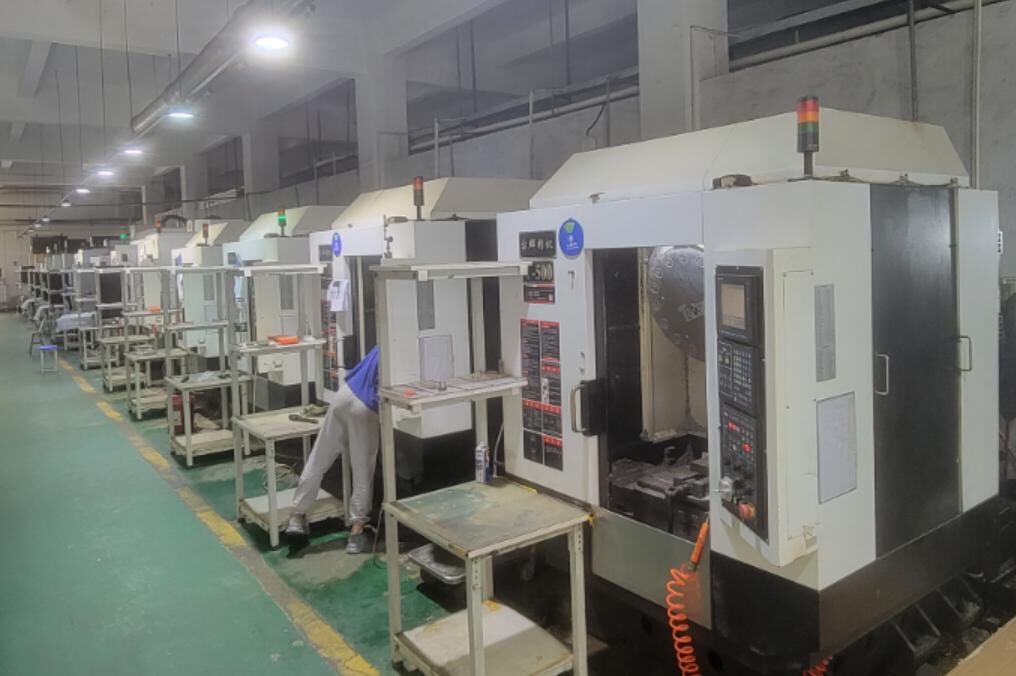
Match the material to the duty cycle before machining
The first step in structural selection is the material. Ceramics offer wear, corrosion, insulation and high-temperature resistance, suiting semiconductor chambers, medical components and special parts near robot joints; metals are more general-purpose for strength, toughness, machinability and welding assembly. The two often appear on the same device, divided by load and environment. If the material is wrong, tighter machining later cannot recover the performance shortfall; if the material fits but tolerance control fails, assembly and life targets are still missed.
Early DFM saves more than late drawing changes
Cost and yield on precision parts are often decided at the design stage. Whether the structure is easy to form and machine, whether wall thickness and radii are reasonable, and whether tolerance can be held within process capability, all need machining-side feedback during the drawing phase. Changes raised later in prototyping or volume bring heavier rework and material loss. When evaluating a supplier, look beyond the unit quote at total cost of ownership: tolerance consistency, first-pass yield, lead-time stability and quality-system records often affect the project schedule more than the price gap does.
| Category | Material / process traits | Typical use |
|---|---|---|
| Structural ceramic parts | Wear, corrosion, insulation, heat resistance; precision grinding after forming | Semiconductor components, medical parts, special robot parts |
| Precision metal parts | Strength and toughness; stamping, CNC and surface treatment together | Brackets, connecting members, equipment fittings |
| Precision mold support | Mold making and CNC; supports volume forming and enclosure structure | Power tools, appliances, industrial hosts and digital enclosures |
Structural parts and mold resources on the site
On the precision machining side, Taike Micro-Ceramics provides custom precision machining of structural ceramic and metal parts for medical devices, robotics, semiconductor and new-energy support; the related precision ceramic / metal structural parts entry aggregates parts across medical, robotics, semiconductor and new-energy directions. On molds and metal structures, Kaibo Hardware develops high-precision molds, metal stamping tooling and CNC machining; JINFENG covers metal and plastic enclosure structural parts and precision molds for laptops and tablets, with injection, stamping, CNC and surface treatment in one process chain.
This parts business competes on long-term consistency, not one-off low price. As demanding devices scale, material fit, early DFM, tolerance control and quality systems become the differentiators between machining suppliers. For procurement and solution teams, the safer route is to bring a structural-parts supplier in at the concept stage, so material and process constraints enter the design early, rather than sourcing a shop after the drawing is frozen.
Comments
No comments yet. Be the first to comment.