
After Handheld Cameras Scale Up: How Gimbal, Audio and Lighting Accessories Keep Pace
The growth of handheld smart cameras is pulling along more than the cameras themselves. Action cams, gimbal cameras, 360 cameras and detachable thumb-style models all shipped up in the same quarter, and the creator base has widened from extreme-sports enthusiasts to everyday recording, vlogging and live-streaming users. As sensor and stabilization specs converge across cameras, the final image depends more on the supporting chain: stabilization, audio, lighting and monitoring. For accessory buyers and solution teams, sorting out the role of each accessory by use case is more practical than piling specs onto a single device.
Cameras scale up as the audience moves mainstream
According to IDC, global shipments of handheld smart cameras rose about 33% year on year in Q1 2026. Action camera shipments neared 2.01 million units, up about 39% year on year, with an average price of about RMB 2,149, down about 11%; detachable thumb cameras grew more than 350%; gimbal cameras rose over 18%; and 360 camera shipments passed 500,000 units, up more than 50% year on year (source: IDC, July 2026). The volume-up, price-down structure shows the market moving from a small professional circle to a broader everyday-recording audience, and as cameras scale, demand for scenario-based accessories follows.
With specs converging, the gap sits in the accessory ecosystem
Leading camera makers keep refining sensor size, stabilization algorithms and in-camera color, but for most ordinary creators, what actually shapes the final clip is often outside the body: whether the frame stays steady while walking, whether the voice stays clear on location, whether skin tone and detail hold up in low light, and whether the composition can be seen while shooting. Industry analysis likewise points to competition shifting from spec stacking to a mix of AI one-tap editing, multi-scene stabilization, lightweight wearability and the accessory ecosystem (source: 36Kr and CNR, June–September 2026). Accessories are not free add-ons to the camera; they are the division of labor that makes a shooting setup actually work.
| Accessory | Problem it solves | Typical scenarios |
|---|---|---|
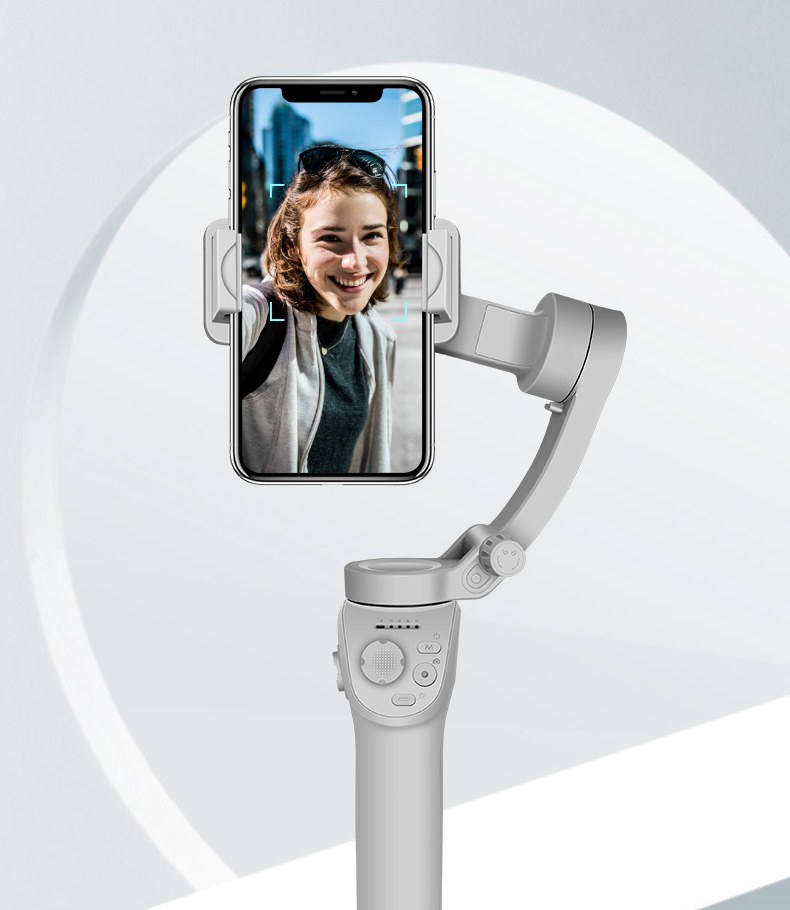
| Handheld gimbal / stabilizer | Steady frame while walking and tracking, assisted composition | Walking vlogs, sports tracking, live-stream movement |
| Wireless lavalier mic | Separate audio from the camera body, suppress ambient noise, keep voice clear | Talking heads, interviews, family records, outdoor cycling |
| Fill light | Add facial and ambient light, improve low-light skin tone and detail | Live selling, selfie beauty, desktop and outdoor shooting |
| Screen-casting / monitor accessory | Mirror the frame to a second screen for framing, selfie composition and group viewing | Vlog framing, live monitoring, desktop viewing and recording |
Match accessories to the scenario, not the spec sheet
For stabilization, check the stabilization method, payload range and foldable portability. For audio, check 2-in-1 mic capability, noise reduction and connection stability with the camera. For lighting, check brightness steps, color rendering and portable power. For monitoring, check screen size, magnetic or fixed mounting and connection to the phone. Scenarios weight accessories differently: outdoor cycling prioritizes audio and stabilization, indoor live streaming prioritizes light and monitoring, and everyday recording values light weight and instant readiness. Accessories also need to work together: whether gimbal, mic and light can be mounted at the same time and whether cabling conflicts should be checked at the solution stage.
Supply support and procurement judgment
On the supply side, a handheld imaging setup is usually completed along four lines: stabilization, audio, lighting and monitoring. In this shooting-accessory space, DOMYB covers handheld gimbals, wireless audio, fill lights and screen-casting monitors: the Three-axis Smart Handheld Gimbal (M01) serves walking and tracking stabilization, the Mini Wireless Lavalier Microphone (2-in-1) handles talking-head and outdoor audio, the Mini Magnetic Beauty Fill Light (A01 · A01S) adds facial and ambient light in low light, and the S03 Wireless Screen-Casting Monitor (Magnetic Phone Display) supports selfie framing and frame monitoring.
The handheld imaging market is still expanding, but falling camera prices mean profit on the body alone is limited, and the accessory ecosystem will be where brands and solution providers differentiate. Buyers do not need to stock top-tier gear for every scenario; define the main shooting scenarios first, then add stabilization, audio, lighting and monitoring in priority order. Mounting compatibility across accessories and long-term reliability matter more than peak specs on any single item.
Comments
No comments yet. Be the first to comment.