
Wearables Split by User: How Kid, Sports, Senior, Industrial and Pet Trackers Differ
Whether a watch or a tracker, the priority shifts sharply with the user group. Children need safety care and parent-child contact; sports users want health data and battery life; seniors need emergency help and ease of use; industrial settings need protection and dispatch integration; pets call for lightweight location and activity recording. Splitting the user demands is closer to real selection than fitting one “generic smartwatch” to every scene.
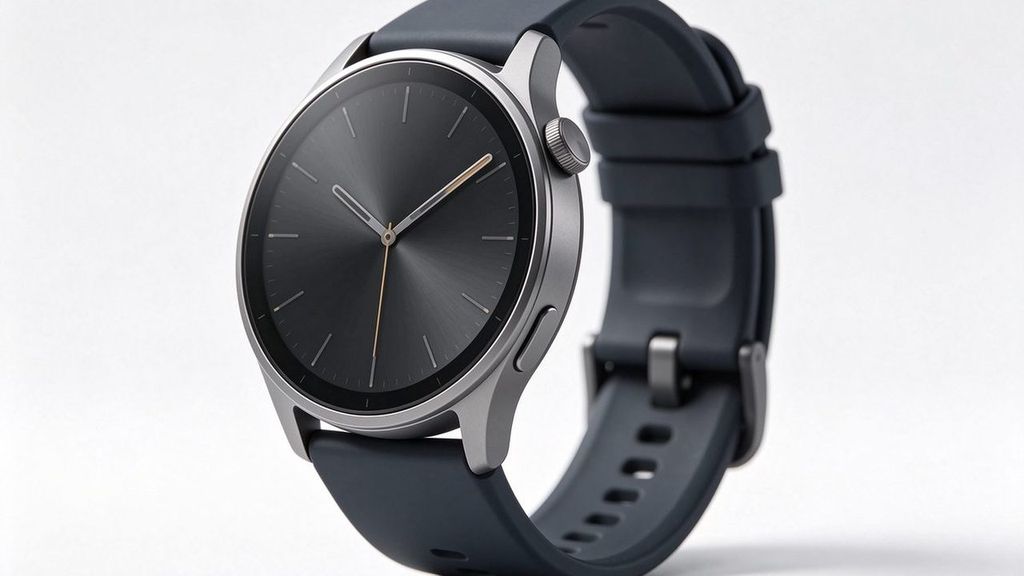
Different users mean different headline specs
Component and feature choices in wearables are driven backward from the core scene. For children and seniors as dependent users, the priorities are location, one-touch help and emergency contact; sports users care more about exercise modes, heart rate and sleep-stress monitoring; industrial staff need protection rating, satellite positioning and dispatch-platform integration; pet trackers put size, weight and battery life first. Battery, communication and positioning accuracy carry different weights across groups, and a one-size config either over-specifies or misses a key capability.
| User group | Core need | Positioning & comms | Protection & ease |
|---|---|---|---|
| Kids / teens | Safety care, parent interaction | Cellular, multi-mode GPS, geofence | Light body, remote parent management |
| Adult sports | Sports data and health tracking | Standard positioning, notifications | Long battery, touchscreen |
| Senior care | Emergency help and health monitoring | GPS, emergency call | Large font, simple UI, long battery |
| Industrial custom | Staff location and safety management | Multi-mode satellite, NFC | IP68, dispatch platform integration |
| Pet | Lost-pet recovery and activity log | e-SIM 4G, geofence | Lightweight, ultra-long battery |
Positioning, comms and protection drive the split
Positioning accuracy decides what scene a tracker can serve: a basic watch handles notifications and routine exercise logs, while care and industrial units need more reliable multi-mode positioning and fence alerts. For comms, standalone cellular suits children, seniors and outdoor industrial users who must be reachable anytime; Bluetooth paired with a phone is more common for sports-health devices. Protection rating must match the environment, with industrial inspection and outdoor work demanding far higher dust and water resistance than everyday desktop wear.
How the supply side matches the segments
In a segmented product range, SIKEY covers several typical terminals: the Kids / Teens Smart Watch supports standalone cellular, multi-mode GPS, geofence, SOS alert and remote parent monitoring; the Adult Sports Smart Watch packs multiple exercise modes, heart-rate and stress monitoring with a long-battery touchscreen; the Senior Care Smart Watch focuses on SOS, heart-rate and blood-oxygen monitoring, large font and a simple interface; the Custom Industrial Smart Watch adds multi-mode satellite positioning, IP68, NFC and dispatch-platform integration; the Pet GPS Tracker uses e-SIM 4G, geofence and ultra-long battery for lost-pet recovery and activity records.
Consumer health side
- Exercise modes, monitoring accuracy, wearing comfort
- Battery, appearance and fit with daily habits
Care and industry side
- Reliability of location and alerts, comms coverage
- Protection rating and platform integration
Competition in wearables has moved from “can a watch be made” to “can features be matched correctly by user group.” One hardware platform can spawn variants for different groups, but positioning, comms, protection and interaction must be chosen separately. For buyers and solution teams, defining who the user is, where it will be used and which capability matters most, then matching the terminal, is more pragmatic than chasing a full-spec sheet.
Comments
No comments yet. Be the first to comment.