
The Last Mile of Hardware: Boxes, Inserts and Anti-Code
Once the board, prototype and manual are ready, a hardware product still has packaging between it and shipment. What buyers and channels see first is the outer box, insert and label; packaging sets the first impression while carrying transport protection, information delivery and brand recognition. For teams in consumer electronics and smart hardware, packaging is not something to arrange with a print shop at the last minute. Box structure, inserts, finishing and anti-counterfeiting should be planned when the product design is finalized.
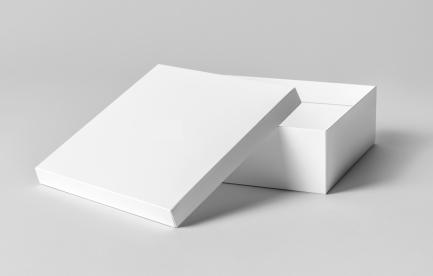
Box structure and paper items: match the product positioning
Premium rigid boxes offer several structural options. Lid-and-base boxes look solid and steady for mid-to-high-end products; book-style boxes open with a sense of ceremony, and drawer boxes give a smooth pull-out experience. Tuck-end, snap-bottom and mailer boxes lean toward retail and shipping, while window hang boxes suit shelf display. Beyond the outer box, paper bags, manuals, warranty cards, hang tags and adhesive labels are matching paper items that should stay consistent with the box in stock, color and finishing; a refined box paired with casual paper items undercuts the whole presentation.
Finishing and inserts: protection and feel together
Surface finishing shapes how the box looks. Lamination resists moisture and wear; embossing and UV coating create local relief and gloss; foil stamping, edge gilding, embossed texture and cut-outs raise the finish level. Inserts should follow the product outline and shipping method: EPE foam, EVA, sponge, corrugated paper and blister each fit different cases, so the device does not shift or knock around inside. Products sold through channels or under brand management can add one-item-one-code marking, backed by data, craft and material anti-counterfeit measures for traceability, gray-market control and channel management.
The listed LONGYIN (custom premium rigid boxes and paper packaging), together with the rigid gift boxes, color cartons, paper bags and manual labels, supports early discussion of a new product's packaging plan.
Procurement judgment: keep packaging in step with the product
Raise packaging requirements with the supplier once the structure is set, leaving time for proofs, insert revisions and finishing confirmation rather than rushing box shapes near shipment. When evaluating, check whether front- and back-end equipment are matched, whether design, platemaking and hardcover finishing teams are complete, and how insert protection, anti-counterfeit coding and batch consistency hold up. Packaging looks peripheral, but it is the first business card a product hands to the user; rough workmanship or weak inserts drag down the view of the product itself, and transit damage pushes rework and replacement costs back onto the product budget.
Comments
No comments yet. Be the first to comment.